Sweet Pea Embroidery Font: Stitching Elegance into Every Design
There's a particular quality to embroidery that printed text can't quite capture—the texture, the dimension, the way thread catches light differently depending on the angle. When you pair that tactile richness with a typeface like Sweet Pea Embroidery Font, something genuinely special happens. This script font carries an organic, hand-lettered warmth that feels both intentional and effortless, making it a standout choice for anyone working in textile design, personalized crafts, or brand identity projects that demand a human touch.
What Makes This Typeface Feel So Distinctive
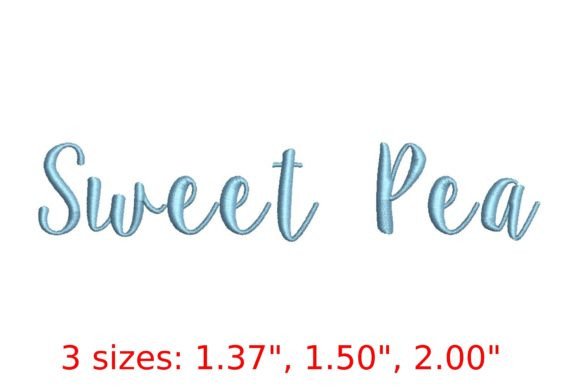
Sweet Pea belongs to the script font family, but it avoids the stiffness that plagues many decorative typefaces. Its letterforms flow with a gentle, connected rhythm that mimics natural handwriting without sacrificing legibility. The strokes vary in weight—thicker on downstrokes, thinner on upstrokes—giving each character a sense of movement and life. There's a floral delicacy woven into its curves, with soft loops and graceful ascenders that evoke the tendrils of an actual sweet pea vine.
What sets this premium font apart from generic script options is its balance. Many handwritten fonts lean too far into casual territory, becoming difficult to read at smaller sizes or looking sloppy when scaled up. Sweet Pea maintains its composure across a range of applications. The letter spacing feels carefully considered, and the connections between characters are smooth enough to read as a cohesive word rather than a collection of individual letters.
As a display font, it excels at drawing attention without overwhelming a composition. Think of it as the typographic equivalent of a well-chosen piece of jewelry—it enhances rather than dominates. This makes it particularly useful for projects where you need text to feel personal and inviting, whether that's a monogrammed baby blanket, a boutique logo, or the header of a lifestyle blog.
Where Sweet Pea Truly Shines
Understanding where a creative font performs best saves time and prevents the frustration of forcing a typeface into a role it wasn't designed for. Sweet Pea has a natural affinity for certain contexts, and recognizing these early in your process leads to stronger results.
Personalized Gifts and Monograms are perhaps the most obvious application. Embroidered initials on towels, robes, tote bags, and baby items take on an elevated quality when rendered in this font. The script style feels inherently personal—like a handwritten note rather than a stamped label. For small business owners running embroidery shops, offering Sweet Pea as a font option for custom orders can differentiate your work from competitors relying on standard block lettering.
Home Decor Projects benefit from the font's gentle aesthetic. Stitched quotes on throw pillows, decorative wall art, or table runners feel cohesive and intentional when the typography matches the warmth of the textile medium. Sweet Pea avoids the clinical look that sans serif font options sometimes bring to fabric-based designs.
Fashion Accessories like embroidered patches, hat designs, and scarf details gain character from this typeface. It works particularly well for boutique brands that want their brand identity to feel approachable and artisanal rather than corporate. A clothing label using Sweet Pea on its hang tags or stitched logos communicates craftsmanship and attention to detail.
Packaging Design and Marketing Materials for handmade goods, artisan food products, or wellness brands can incorporate Sweet Pea to reinforce a handcrafted aesthetic. When used on product labels, thank-you cards, or promotional inserts, it creates visual consistency between the physical product and the brand's overall personality.
Digital Applications deserve mention too. While Sweet Pea is primarily an embroidery font distributed in formats like PES for Brother and Babylock machines, its design principles translate well to social media graphics, website headers, and email templates for brands in the lifestyle, wedding, or floral industries. When adapted for web design or digital use, it brings warmth to screens that might otherwise feel sterile.
Practical Considerations for Working with Sweet Pea
Choosing a script font is only the first step. How you implement it determines whether the final product looks polished or chaotic. Here are some grounded recommendations for getting the most from Sweet Pea in your projects.
Font Pairing Matters. Sweet Pea works best alongside typefaces that complement without competing. A clean serif font or a simple sans serif font provides an effective counterbalance, handling body text or secondary information while Sweet Pea takes the spotlight for headlines, names, or accent phrases. Avoid pairing it with other ornate scripts or heavily stylized display fonts—the result tends to feel cluttered and undermines readability.
Readability at Scale. Test your designs at the actual size they'll appear in the finished product. A phrase that looks gorgeous on a 27-inch monitor might become illegible when stitched at two inches tall on a pocket. The download includes multiple size options, and the stitch count information provided for characters like "A" and "a" gives you a practical sense of density and detail at each scale. Review the full dimension specifications available in the included PDF before committing to a particular size.
Visual Hierarchy and Brand Perception. When Sweet Pea appears consistently across your touchpoints—embroidered goods, printed collateral, digital presence—it reinforces a specific brand personality: warm, personal, detail-oriented. This consistency builds recognition over time. Customers begin to associate that particular flowing script with your business, which is exactly how effective brand identity works.
Commercial Licensing. If you're using Sweet Pea for client work or products you sell, verify that the license covers commercial use. Most commercial font licenses permit use in physical goods and digital products, but terms vary. This is especially relevant for embroidery businesses that produce items for sale—the font becomes part of your production toolkit, and clear licensing protects both you and your clients.
File Format Compatibility. Sweet Pea arrives in multiple embroidery file formats, ensuring compatibility with a wide range of machines beyond just Brother and Babylock. Before purchasing, confirm that your specific machine accepts one of the included formats. This practical check prevents the disappointment of downloading a beautiful font you can't actually use.
Bringing It All Together
Every design asset you choose communicates something about your standards and sensibility. Sweet Pea Embroidery Font communicates care, artistry, and an appreciation for the kind of beauty that doesn't shout but instead draws people closer. Whether you're a hobbyist stitching a gift for a friend, a small business owner building a recognizable product line, or a designer seeking a handwritten font that actually delivers on its promise of elegance, this typeface earns its place in your collection.
The best creative choices feel inevitable in hindsight—the right color, the right material, the right letterform. Sweet Pea has that quality. It doesn't try to be everything. Instead, it does one thing exceptionally well: it makes embroidered text feel like it was written by hand, with intention and affection, just for the person reading it.